
Indigenous Audio-Visual
The Indigenous Audio-Visual Collection preserves and shares photographs, films, sound recordings, and moving images that tell the stories of First Peoples in British Columbia
The Royal BC Museum collection includes over 65,000 images, more than 3,700 sound recordings, and around 200 videos, spanning from the 1850s to today. This material documents customs, traditions, languages, and daily life of communities around BC, and is cared for in partnership with community.
Why This Work Matters
These collections are not just historical records—they are living links to cultures, languages, and traditions that continue today. They protect knowledge, preserve languages, and safeguard stories that might otherwise be lost. By working closely with Indigenous communities, the museum works towards the proper accessibility and safe keeping of these materials.
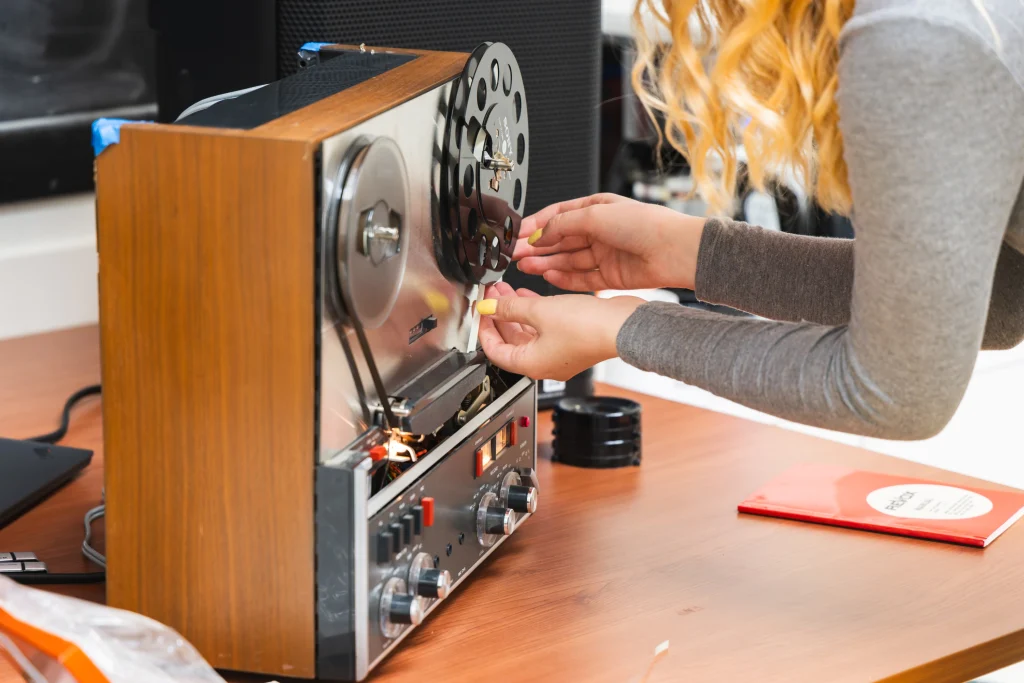
Helping Science and Conservation
Researchers, language revitalization experts, and cultural leaders use the collection to support education, conservation, and scientific study. Photographs, sounds and moving images help trace cultural changes over time, while also supporting efforts to protect endangered languages and traditions.
Growing the Collection
The museum continues to work with Indigenous partners to expand the collection with new works, including contemporary photographs, digital materials, and modern art. These additions ensure the collection reflects both the past and the present.
Learning and Outreach
The collection is used in exhibitions, public programs, and research projects, helping people across BC and beyond learn about the histories and cultures of First Peoples. Some materials can be viewed by appointment, while others, especially those documenting private family histories or ceremonies, require permission from the hereditary rights holders.
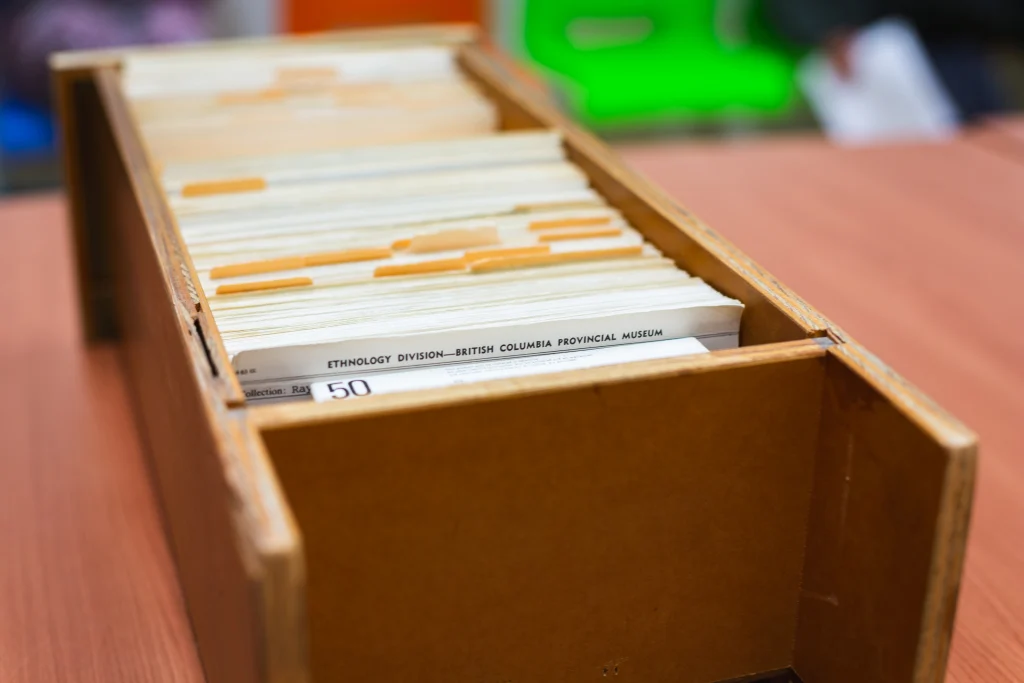
Get Involved
Community members, artists, and researchers are welcome to connect with the museum to learn more about the Indigenous Audiovisual Collection.
Whether you are interested in accessing materials, contributing knowledge, or sharing your own recordings or images, your involvement helps ensure that these cultural treasures remain protected and valued for generations to come.
Contact Us
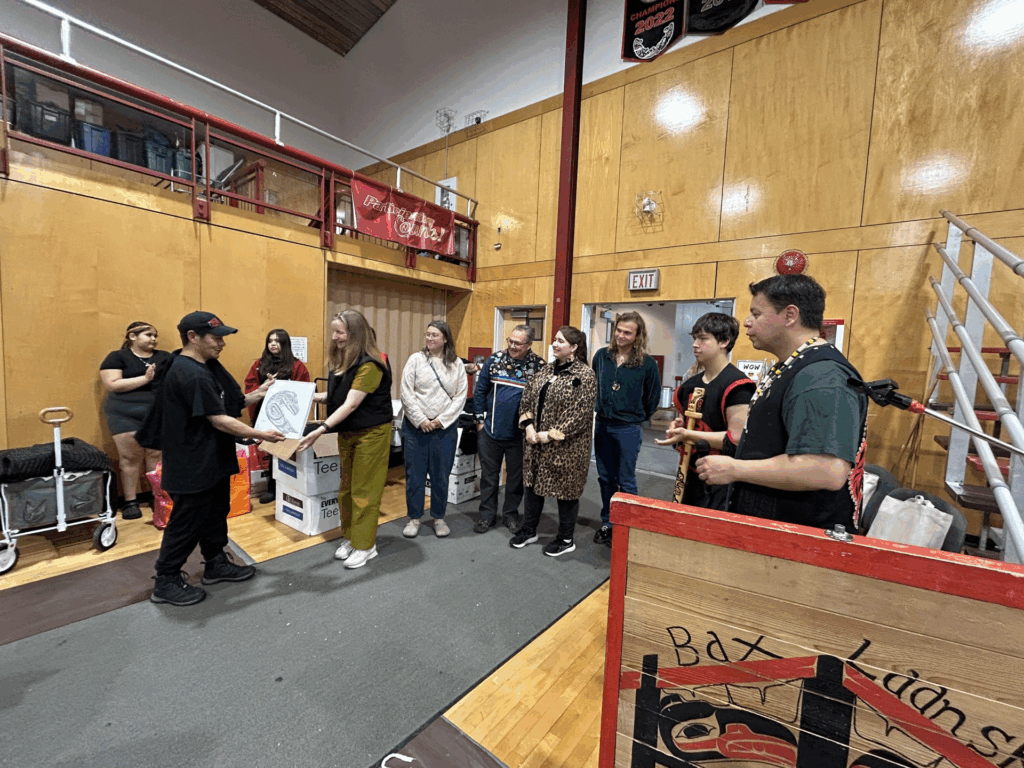
See the work of the ICAR team throughout the museum and province
-
News
-
exhibition

-

-


