
Mammalogy
From bats and bears to sea otters and whales, mammals play a vital role in BC’s ecosystems.
The Mammalogy collection at the Royal BC Museum studies and preserves these amazing animals to help us better understand their lives, habitats, and how they’re changing over time.


Why This Work Matters
Mammals are key indicators of a healthy environment. When their numbers drop or their behavior changes, it can mean something is wrong in the ecosystem. By studying BC’s wild mammals, we learn about climate change, habitat loss, pollution, and more. This research helps protect species at risk and the places they call home.
Helping Science and Conservation
The museum’s collection supports research that helps guide decisions about land use, wildlife management, and conservation. We work with scientists, governments, and Indigenous communities to share information about mammal species, where they live, and how they’re doing. Our work helps protect BC’s unique biodiversity for future generations.
Growing the Collection
The Mammalogy collection includes more than 26,000 specimens—everything from tiny shrews to giant whales. Most come from across British Columbia and include bones, skins, skulls, and preserved tissues. A record is created for each specimen with information about when and where it was collected.
We add new material through research trips, wildlife monitoring programs, and community donations. These specimens help track changes in mammal populations and give researchers clues about how animals adapt over time.
Learning and Outreach
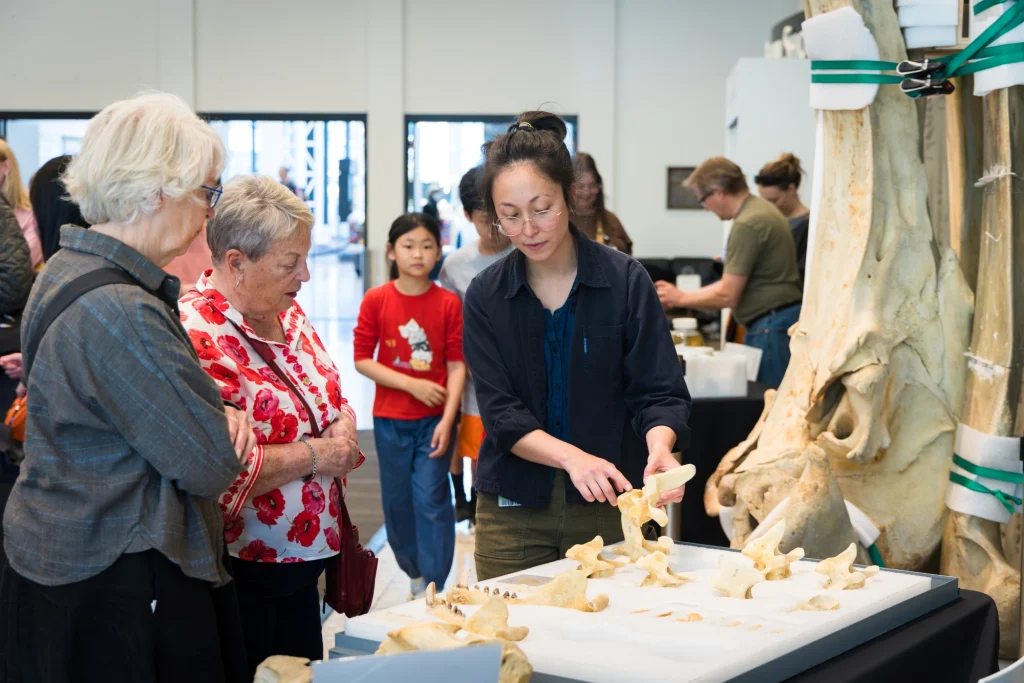
We love sharing the wonders of BC’s mammals. Through exhibits, school programs, talks, and digital tools, we connect people of all ages with the science behind wildlife. We also support students and researchers by offering access to the collection and sharing our expertise.
Get Involved
You don’t have to be a scientist to help. You can report wildlife sightings, join citizen science projects, or share your knowledge with us. Every observation adds to our understanding of BC’s mammals and how to protect them.